
Published 18 April 2024
Celebrating Diversity in Confinement Centres
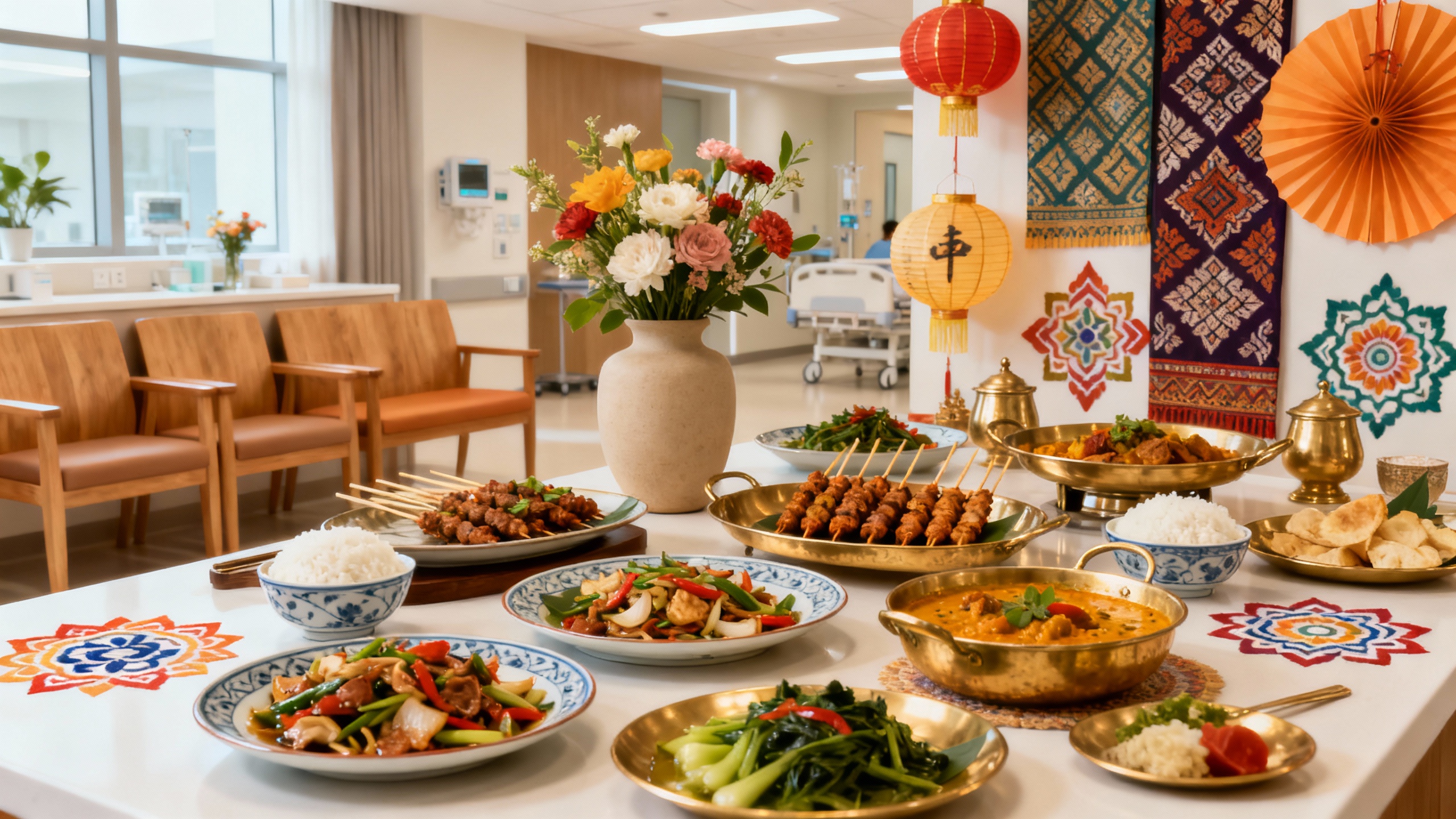
Introduction
Singapore’s rich cultural tapestry is reflected in the practices of its confinement centres, which are adept at catering to a diverse clientele. This article examines how these centres tailor their services to meet the varied dietary, cultural, and religious needs of their patrons, ensuring a comfortable and respectful experience for all.
Adapting to Multicultural Needs
Singapore confinement centres make several adaptations to cater to diverse backgrounds:
- Dietary Considerations: Meals are customized to respect cultural dietary restrictions and preferences, whether it’s halal, vegetarian, or cuisine specific to ethnic backgrounds like Chinese, Malay, or Indian.
- Cultural Sensitivity: Understanding and incorporating cultural rituals and practices into the confinement period, such as specific postnatal practices that are cherished within different communities.
- Language Services: Offering services in multiple languages to ensure clear communication and comfort for mothers from various linguistic backgrounds.
Benefits of a Multicultural Approach
This inclusive approach has multiple benefits:
- Enhanced Comfort and Satisfaction: By respecting cultural norms and dietary needs, confinement centres ensure mothers feel at home, which is crucial for their emotional and physical recovery.
- Building Trust: When centres show respect for diverse backgrounds, they build trust within the community, encouraging more families to seek their services.
Conclusion
Multi-cultural confinement centres in Singapore stand as exemplary models of how healthcare facilities can effectively serve a multicultural population. By embracing diversity, these centres not only provide superior care but also foster an environment of respect and understanding among Singapore’s varied population.